



This store requires javascript to be enabled for some features to work correctly.
A Modern Flâneur’s Guide to Feng Shui
The Parisian street may be the flâneur’s dwelling place, but the home is where their discoveries are distilled. At Maison Flâneur, we believe that a well-designed room is a living, breathing entity. This week in the Trade Journal, we’re looking at the ancient practice of Feng Shui through a modern lens. It’s not about following a map, but about intuition, understanding how light, texture, and movement influence our daily rhythm. Join us as we explore the guide to creating a balanced home that serves as the ultimate retreat for the observant mind
By Trade Program
What is Feng Shui really about?
Feng Shui often gets reduced to a checklist: no mirrors facing the bed, never sit with your back to the door, avoid clutter at all costs. But for the modern flâneur—the thoughtful wanderer who values both beauty and meaning, it’s less about rigid rules and more about creating harmony.
At its heart, Feng Shui is about chi, the life energy that flows through our homes just as it flows through nature. When chi moves freely, spaces feel alive. When it stagnates, they can feel heavy, restless, or uninspiring. Think of it as atmosphere made tangible, the difference between a room that feels like a sanctuary and one that never quite settles.
Feng Shui doesn’t demand a wholesale redesign of your home. It asks for awareness, intuition, and curiosity. It’s not dogma, but rather a framework for creating spaces that feel balanced and deeply personal.
Are You An Interior Designer?
Join our Trade Program—a curated community of design professionals with exclusive access to bespoke pieces, trade pricing, and personalised support.
Apply Now
How does chi flow through a space?
Imagine entering a hallway that’s narrow and cluttered: you feel blocked before you’ve even taken off your shoes. Now picture one that’s open, softly lit, with a single artwork drawing you inward. That’s chi in action.
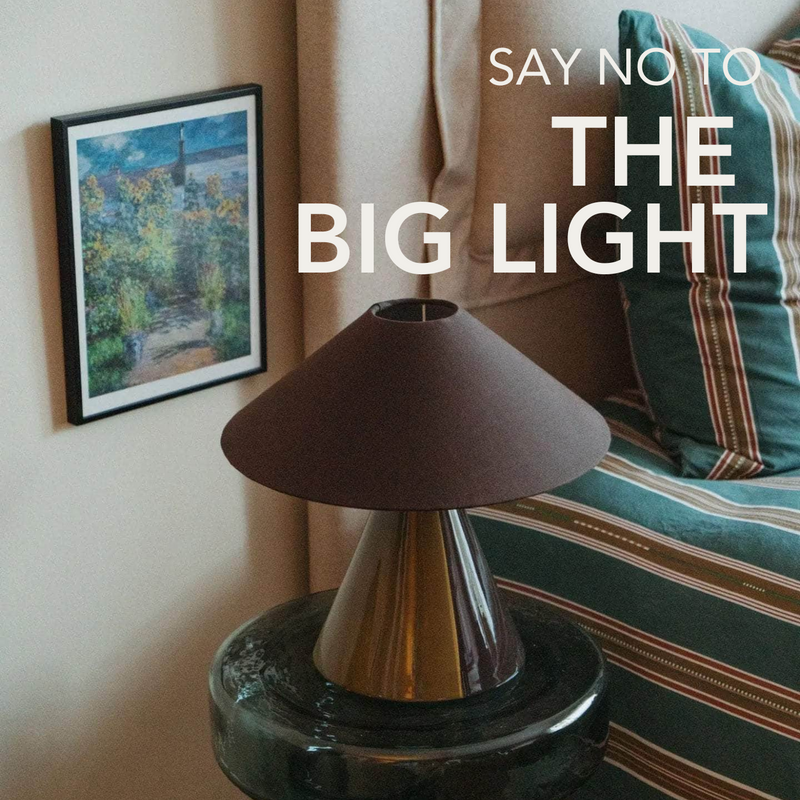
In practice, chi flows best when rooms are clear, light has room to move, and furniture placement encourages connection rather than resistance. A dining table where chairs are easily accessible, a sofa angled to invite conversation, or a well-placed lamp casting warmth into a forgotten corner—all of these shape chi as much as architecture itself.
What are the five elements, and why do they matter?
Feng Shui rests on the interplay of five natural elements: wood, fire, earth, metal, and water. Each one brings a distinct energy, and the art lies in finding balance among them.
Wood: Growth, creativity, vitality. A leafy plant or a smooth oak table embodies its spirit.
Fire: Passion, warmth, transformation. A flickering candle or a bold red textile speaks this language.
Earth: Stability, grounding, nourishment. Think terracotta pots, clay vessels, or textured ceramics.
Metal: Clarity, precision, structure. A brass lamp or sculptural steel shelf carries this element.
Water: Flow, adaptability, depth. A mirror, glass surface, or even the colour indigo channels its presence.
The goal isn’t to evenly distribute all five, but to notice which energies resonate with you and your space. Too much fire might feel overwhelming; a touch of earth could restore balance.
What is the bagua map—and how can you use it intuitively?
Traditional Feng Shui uses the bagua map, an energy grid applied over the floor plan of a home. Each zone corresponds to an aspect of life: career, relationships, health, creativity, and so on. For the modern designer or homeowner, the bagua doesn’t need to be followed with precision. Instead, think of it as a compass. Want to cultivate calm? Focus on the centre of your home, keeping it uncluttered and open. Hoping to spark creativity? Infuse your workspace with wood and water elements, a desk plant alongside a reflective glass surface.
The bagua becomes less a prescription and more a prompt for reflection: which areas of your life feel supported by your space, and which could use more attention?
How does Feng Shui align with modern living?
The contemporary home is fluid: part work hub, part sanctuary, part gathering space. Strict adherence to rules doesn’t always fit. But the spirit of Feng Shui—attention to flow, balance, and intention—remains timeless.
A minimalist apartment can still embrace chi through natural light and careful placement of objects. A city loft can balance fire and earth with vibrant textiles paired with grounded, tactile pottery. Even a small studio can create distinct zones of energy through thoughtful arrangement of furniture.
At Maison Flâneur, we believe the best interiors feel collected, not decorated. Feng Shui, in its modern expression, echoes this ethos: it’s about curating a space that feels alive, layered, and deeply personal.
Frequently Asked Questions
What is the core idea of Feng Shui?
Feng Shui is about the flow of chi, or life energy, and creating balance in a space through awareness, harmony, and intention.
Do I need to follow Feng Shui rules strictly?
Not at all. Modern Feng Shui is more about intuition and creating a personal sanctuary than about rigid guidelines.
What are the five elements in Feng Shui?
Begin simply: clear clutter, pay attention to light, and experiment with the placement of furniture or meaningful objects.
How do I start applying Feng Shui in my home?
Begin simply: clear clutter, pay attention to light, and experiment with the placement of furniture or meaningful objects.