



This store requires javascript to be enabled for some features to work correctly.
How to Layer Lighting in a Room
There is a distinct magic in the way a room greets you at dusk, when the harsh glare of the afternoon fades into something far softer and more inviting. It is the quiet alchemy of atmosphere, a feeling that cannot be bought off a shelf but must be carefully coaxed into existence.
By Lara Silva
What Is Layered Lighting and Why Do Interior Designers Swear by It?
To step into a beautifully curated home is to experience an immediate sense of ease, a feeling that every object, texture, and shadow has been orchestrally arranged to welcome you. More often than not, this invisible comfort relies entirely on the thoughtful implementation of layered lighting. Interior design experts understand that light is not merely a utility designed to banish darkness; it is a structural element that defines how we experience space, mood, and time.
When a room relies on a single, solitary source of illumination, it feels flat, clinical, and decidedly uninviting, stripping away the architectural nuances and the soul of your carefully chosen decor. By contrast, a multi-dimensional approach weaves together different intensities and directions of light, creating a rich tapestry of highlights and soft shadows that mimic the natural, changing movement of the sun. It transforms a standard flat into a sanctuary of slow living, encouraging you to linger longer in the corners that bring you joy. This design philosophy is less about filling a room with brightness and more about orchestrating an evocative dialogue between illumination and shadow, ensuring that your home feels intimate during a quiet evening alone yet perfectly attuned to a lively gathering of friends. When you learn to manipulate the shadows as much as the light, you unlock the true potential of your living space, making even the most minimalist room feel rich, deep, and deeply personal.
The Three Layers Explained: Ambient, Task and Accent Lighting
To truly master the art of interior illumination, one must understand the three distinct pillars that form a cohesive design scheme, which are ambient, task, and accent lighting. Each layer serves a specific psychological and practical purpose, operating in perfect harmony to give a room its depth, texture, and versatility. When searching for how to layer lighting, it is helpful to view your space as a blank canvas where these three elements act as your background wash, your precise brushstrokes, and your final, glowing highlights.
The magic happens when these layers intersect, melting into one another rather than competing for dominance. By balancing these three components, you gain absolute control over the narrative of your home, allowing you to shift the mood from an energetic daytime workspace to a sultry, candlelit evening retreat with the simple flick of a few switches. Understanding how these layers function independently is the first crucial step toward curating an interior that feels effortlessly sophisticated and tailored to your daily rituals, ensuring that your environment evolves alongside your day.
Ambient Lighting: Your Room's Foundation
The first movement in this domestic symphony is ambient lighting, which acts as the foundational base layer of your entire interior design scheme.
This is the general, overarching illumination that fills the room, replacing the missing daylight and allowing you to navigate the space safely, comfortably, and with ease. To achieve a more refined aesthetic, the modern design enthusiast looks to softer, more diffused sources to establish this essential base. Think of a grand, sculptural central pendant fitted with a dimmable, warm-toned bulb, or architectural plaster uplights that cast a soft glow across the ceiling, reflecting light back down into the room in a gentle, non-directional wash. Our lighting collection offers an array of foundational fixtures that marry structural elegance with this soft, essential glow, setting the perfect tone for the rest of your interior styling.
Task Lighting: Functional Light Where You Need It
Once the foundation is set, we turn our attention to precision and utility, introducing task lighting to the composition to handle the specific needs of your daily rituals.
This layer is entirely purposeful, designed to illuminate specific activities such as reading a classic novel in your favourite armchair, chopping fresh ingredients on a polished marble countertop, or writing thoughts in a linen journal at your desk. Good task lighting prevents eye strain and brings a sharp, clean focus to areas of high activity, yet it should never sacrifice aesthetic integrity for pure utility.
Placing sophisticated table lamps on side tables or vintage desks instantly defines a dedicated zone for focus, directing a concentrated beam of light exactly where it is required while keeping the surrounding area beautifully mellow. The texture and material of your lampshades play a pivotal role here, because a thick linen or opaque ceramic shade will direct light downward for intense focus, while a translucent silk or hand-woven paper shade will allow a softer, diffused glow to bleed out into the immediate surroundings, effortlessly bridging the gap between function and pure atmosphere.
Accent Lighting: The Layer That Creates Atmosphere
The final, most enchanting layer is accent lighting, an element that is purely decorative, emotional, and atmospheric. This layer is not about seeing what you are doing, but rather about directing the eye to what you want it to see, highlighting architectural details, beloved artworks, or curated vignettes of ceramics and books.
One of the most effective ways to introduce this atmospheric layer is through the strategic placement of ceramic table lamps, which act as sculptural art pieces by day and glowing beacons of intimacy by night, celebrating the beauty of hand-crafted detail.
For those tricky, unconventional spots where cords threaten to disrupt the clean lines of your aesthetic, a wireless rechargeable table lamp offers the ultimate freedom, allowing you to illuminate a vintage bar cart, a floating bookshelf, or a deep window sill without architectural limitations. These smaller, deliberate pools of light create an enchanting contrast with the darker areas of the room, producing a rich sense of depth that makes even the most modest flat feel expansive, mysterious, and deeply comforting.
Common Layered Lighting Mistakes (and How to Avoid Them)
Design traps can easily disrupt home harmony. A common error is over-relying on overhead downlights, which create harsh, flattening shadows. Instead, use lower-level floor and table fixtures for a warmer glow. Avoid mixing colour temperatures, which feels unsettling; maintain a unified ambiance by keeping bulbs within a warm spectrum of 2,700 to 3,000 Kelvins.
Don't neglect the room's mid-level horizon, which can leave spaces feeling detached. Bridge this gap with sculptural lighting on sideboards and mantles. Finally, avoid static lighting; install dimmers and use portable lamps with multiple settings. These corrections help you avoid a sterile atmosphere, ensuring your home remains balanced and restorative.
Room-by-Room Guide: Layering Lighting in Every Space
In the living room, the primary objective is to create a multi-functional haven that easily transitions from a bright, social space to a cosy evening cocoon. Begin by scattering light sources at varying heights across the room, ensuring that no single corner is left completely in the dark. For the ultimate masterclass in living room styling, look to our complete guide to table lamps to understand how scale, material, and form interact with your existing furniture. This mid-level glow is essential for creating a relaxed, conversational atmosphere where guests feel entirely at ease, wrapped in a blanket of warm, sophisticated light.
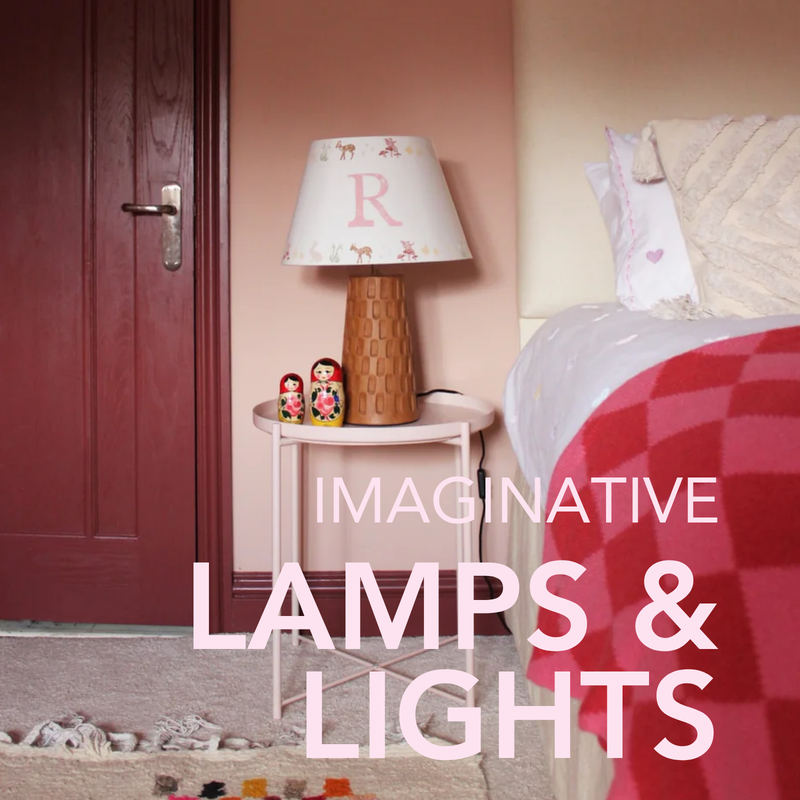
Moving into the bedroom, the design narrative shifts completely toward rest, relaxation, and sensory softness. Here, harsh overhead lighting should be avoided entirely, used only when searching for a lost item or cleaning the space. Instead, focus heavily on the accent and task layers by placing low-wattage lamps on your bedside tables, choosing fixtures with textured fabrics or warm ceramic bases that soften the light before it reaches your eyes.
In the dining room, the focus shifts to the table itself, which should act as the dramatic centrepiece of the room. A striking, low-hanging pendant light centred directly over the dining table provides a beautiful pool of ambient light that defines the eating area, but it must be supplemented to avoid casting harsh shadows on your guests' faces. Line the perimeter of the room with soft accent lights, perhaps placing miniature lamps on a nearby bar cart or casting light onto a piece of artwork displayed on a sideboard.
What You Need To Know
What is the golden rule of layered lighting in a small flat?
The most crucial principle when working with limited square footage is to utilize vertical space and avoid cluttering surfaces with excessive cords. Opt for wall-mounted sconces that throw light upward and downward, and embrace cordless portable lamps that can be tucked into tight corners or moved from a bookshelf to a dining table as needed, ensuring every fixture provides maximum atmospheric impact without undermining the physical layout of your home.
How do I choose the correct lightbulb colour temperature for a cosy home?
To foster an environment of warmth and relaxation, always select bulbs that fall within the warm white spectrum, specifically between two thousand seven hundred and three thousand Kelvins. Anything higher will emit a cool, blue-toned light that feels sterile and clinical, while anything lower may look overly orange, so staying within this sweet spot ensures your textiles and hand-crafted details look rich, natural, and inviting.
Can I successfully layer lighting without hardwiring new ceiling fixtures?
Absolutely, because a sophisticated interior can be achieved entirely through plug-in lamps, wall sconces that plug into existing outlets, and innovative cordless fixtures. By strategically placing portable lamps at different heights throughout the room, you can create a highly sophisticated, layered effect that rivals any professionally wired space, making it an ideal solution for renters or historic flats.
What role do lampshades play in a layered design scheme?
Lampshades act as the primary directors of light, completely transforming the behavior of a bulb based on their material and shape. Opaque materials like ceramic, metal, or thick paper force the light out of the top and bottom of the shade to create dramatic pools of focus, whereas translucent materials like linen, silk, or rattan diffuse the light outward through the shade itself, providing a softer wash that contributes directly to the room's ambient foundation.